Amazon Biochar
Açaí seed community-based biochar industry aiming at economic value generation, soil regeneration, and integration into bioeconomy and carbon market chains.
Pioneering biochar for family farms in the Amazon
Objective
To implement a community-based biochar production infrastructure, grounded in sustainable architecture and the use of locally available inputs for the production of biochar and pyroligneous extract through industrial pyrolysis units – aiming at economic value generation, soil regeneration, and integration into bioeconomy and carbon market value chains.
This initiative will be coupled with technical training and organizational strengthening of organic producer’s associations and cooperatives in the municipalities of Acará (Pará state), in compliance with Law No. 15,070/2024. The project will be prototyped at two scales – associations and cooperatives – to validate feasibility and establish a replicable social bioeconomy infrastructure for the Amazon.
Context – Family Farming in the Amazon
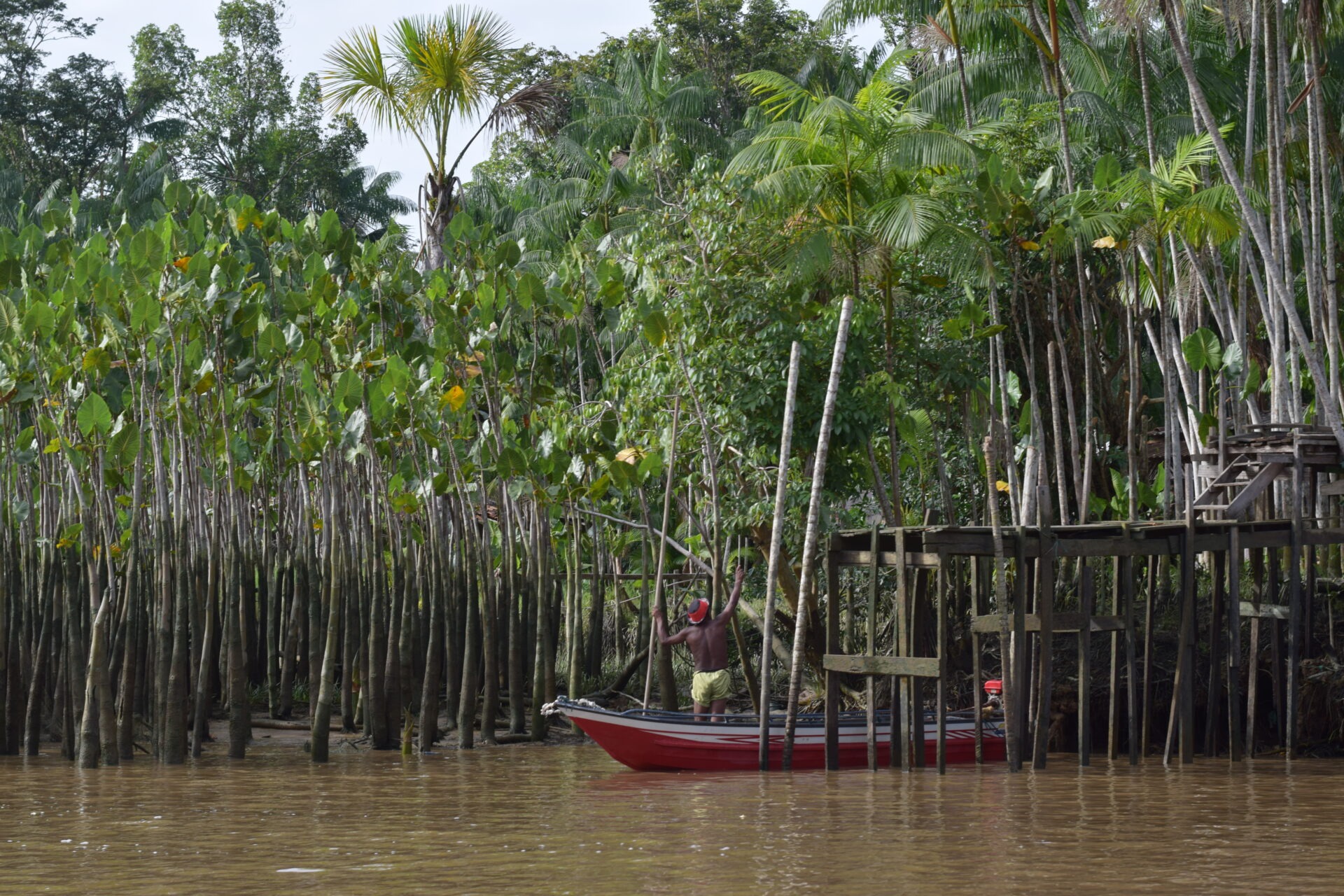
The Brazilian Legal Amazon spans approximately 5 million km² across nine states, home to millions of family farmers whose livelihoods depend on the health of the land and the productivity of its ecosystems. Within this territory, the corridor stretching from Barcarena to Paragominas in Pará represents one of the most active and densely populated agricultural zones in the region. Acará is one of the municipalities in the Corridor. A landscape where açaí production, family farming, and community-based land management intersect at scale.
Amazonian soils across this corridor are naturally highly susceptible to acidification. Historically, traditional land-use systems such as slash-and-burn agriculture remained sustainable when combined with adequate fallow periods, allowing for the natural regeneration of soil fertility and structure. However, increasing pressure on land has significantly reduced fallow periods. When this reduction is not accompanied by alternative soil management techniques, it leads to intensified degradation: soil acidification, loss of organic matter, reduction in soil biodiversity, and progressive decline in agricultural productivity. As a result, production systems become more vulnerable, less resilient, and increasingly dependent on external inputs.
In this context, Amazonian family farming faces additional structural challenges: high costs of conventional agricultural inputs, dependence on external supply chains, and limited access to qualified technical assistance in agroecology. Local production of bio-inputs, such as biochar, biofertilizers, bokashi, liquid silica solution, and bordeaux mixture, represents a strategic solution, promoting improved soil quality, reduced production costs, increased producer autonomy, and the strengthening of agroecological practices.
Community-scale biochar production directly contributes to the reduction of production costs, the strengthening of productive autonomy, the valorization of traditional knowledge, the regeneration of soil health, and the promotion of practices aligned with the Amazon bioeconomy. The partner communities already have a track record of institutional partnerships – including collaborations with companies such as Natura and social movements such as MST – demonstrating strong organizational capacity, local governance, and scalability potential.
Biowaste as an Opportunity
The açaí production chain holds major economic, social, and cultural relevance across the Legal Amazon, particularly in Pará. The corridor from Barcarena to Paragominas sits at the heart of this chain, concentrating a significant share (about 10%) of the region’s over 150,000 açaí-harvesting family farms in Pará state.
Yet the chain presents a structural challenge: approximately 70–80% of the fruit consists of seeds, which are routinely treated as waste. Across the corridor, this amounts to approximately 1 million tons of biowaste annually – burned, dumped, or left to rot. The accumulation of this material generates significant environmental impacts, including leachate production, soil and water contamination, and sanitation issues in urban and rural areas.
At the same time, açaí seeds have high valorization potential due to their lignocellulosic composition and high carbon content, making them ideal feedstock for industrial pyrolysis. Turning this biowaste into biochar and pyroligneous extract transforms an environmental liability into a productive asset – improving soil fertility, increasing water and nutrient retention, reducing nutrient leaching, enhancing soil microbiological balance, and contributing to long-term carbon sequestration. For family farming – especially in rural and quilombola communities – this represents an accessible, low-cost social technology adapted to local conditions, with concrete opportunities for integration into bioeconomy value chains and voluntary carbon markets. The proposal thus integrates waste management, environmental regeneration, and income generation, establishing a model for sustainable rural development across the Legal Amazon.
Vision: A Social Bioeconomy Infrastructure
We introduce the foundation for a social bioeconomy infrastructure scaling across the Brazilian Legal Amazon. By transforming açaí biowaste into biochar and pyroligneous extract at community scale – starting in the Barcarena–Paragominas corridor and expanding across the region – we convert an environmental liability into a productive asset, improving soil fertility, increasing water and nutrient retention, reducing nutrient leaching, enhancing soil microbiological balance, and contributing to long-term carbon sequestration.
In the Paragominas-Barcarena Corridor, in the long term, there is a potential to involve:
- 20 thousand family farms with strengthened governance & managerial capabilities.
- 408 thousand tCO₂e / year from biochar carbon removal and sustainable land use practices
- Potential reduction in agricultural input costs per family farm, by replacing conventional external inputs with locally produced bio-inputs
- 5 to 10 direct jobs created per community, with strengthened governance and managerial capabilities across communities.
Market Potential
For each year we will 640 thousand tons of açaí biowaste in the Paragominas-Barcarena Corridor alone represents significant unrealized value:
- US$19.2 M / year in biochar value (est. US$100/t)
- US$57.6 M / year in high-integrity carbon credits (est. US$150/tCO₂e)
- Additional value from pyroligneous extract as a natural biofertilizer and soil amendment
This model is directly replicable across other Amazonian crops – babassu, cocoa, and beyond – and across the full breadth of the Legal Amazon, creating a pathway to lift communities out of poverty through strengthened local organizations in a sustainable, scalable way.
Solution & Value Chain
We turn biowaste into value through a fully integrated local value chain. The process begins with feedstock preparation – collecting and processing açaí seeds from harvest – followed by biochar production via industrial pyrolysis units. Biochar and pyroligneous extract are then sold and applied directly on family farms, reducing input costs and regenerating soil health.
In parallel, carbon removal credits are generated through rigorous Monitoring, Reporting & Verification (MRV), issued, and sold on voluntary carbon markets. Technical assistance is embedded throughout the entire chain to build community capacity, strengthen local governance, and ensure long-term operational autonomy.
Partners & Credentials
The initiative is led by a consortium of experienced partners:
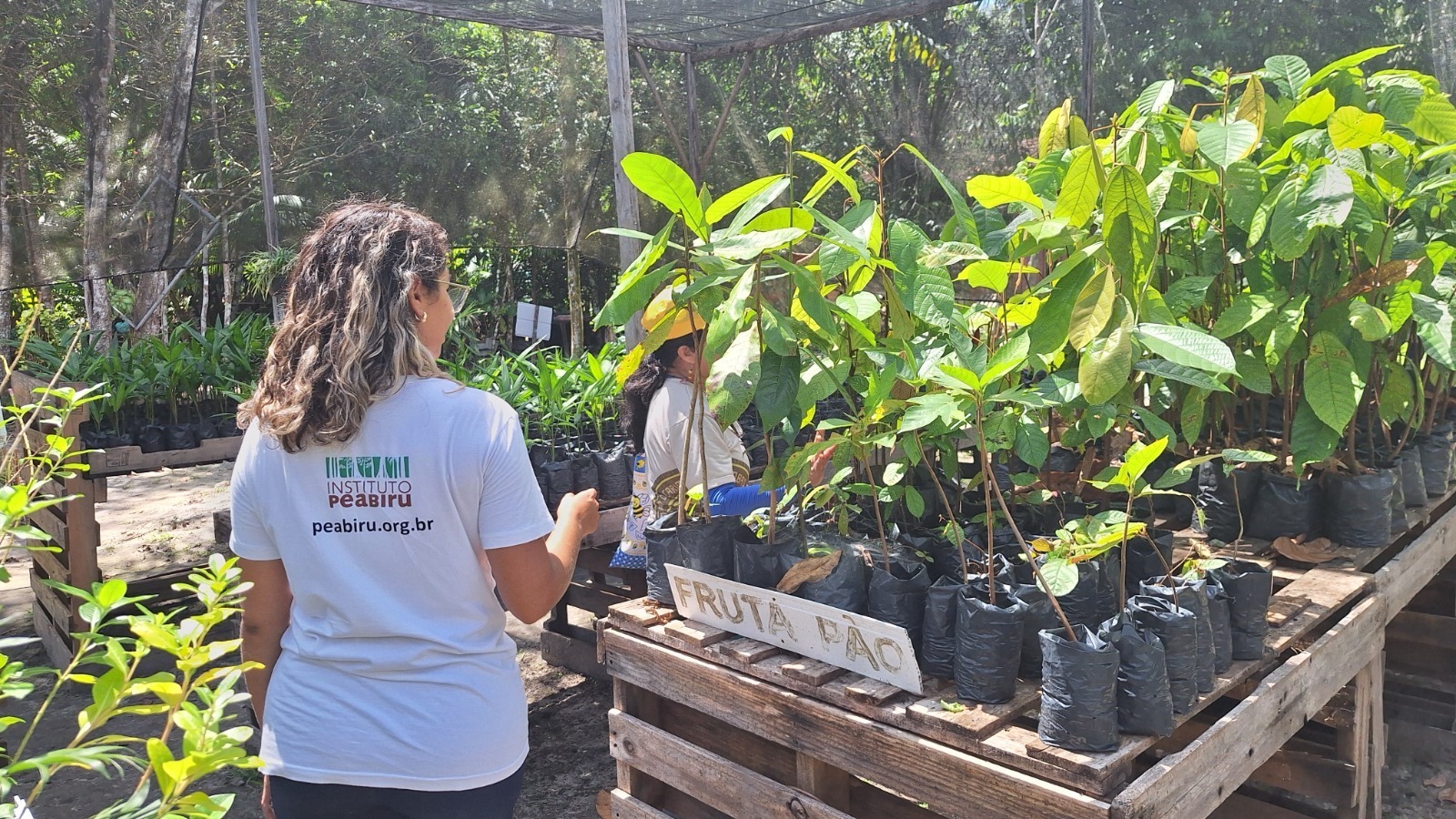
- Instituto Peabiru – specialists in rural assistance to family farms, implementation partner for the Sustainable Amazon Partnership, with deep experience structuring açaí supply chain communities and working alongside organizations such as Natura and MST.
- Amaztrace – WhatsApp-based traceability platform currently tracking 1,000 farming families and 700,000 acres across the Amazon, providing supply chain transparency for community producers.
- reilo – project development, carbon credit issuance & underwriting, integrating social finance with nature-based solutions, with a proof of concept established in Tanzania and an MVP currently being set up in Castanhal, Pará.
Project Overview
The project will be implemented in compliance with Brazilian Federal and state regulatory frameworks, including Law No. 15,070/2024, the Brazilian Carbon Market Law (Lei nº 15,042/2024), the National Climate Policy (Lei 12,187/2009), and Pará’s Plano Estadual Amazônia Agora (Lei 10,750/2024).
Objectives:
- Validate market demand for biochar in Pará
- Validate the feasibility of a replicable biochar infrastructure model
- Prototype infrastructure at association and cooperative scale
Key deliverables: Market research, feasibility study, and two functioning prototypes – one at association scale, one at cooperative scale
Project Componentes – Biochar Production Infrastructure
Construction of the production facility using sustainable architecture principles – local materials, natural ventilation and lighting – designed to be low-cost and replicable across the Legal Amazon. The facility will include functional areas for feedstock preparation, production, and storage, equipped with industrial pyrolysis units for the processing of açaí seeds and other local biomass into biochar and pyroligneous extract, with standardized production flows and quality control systems.
Training and Capacity Building
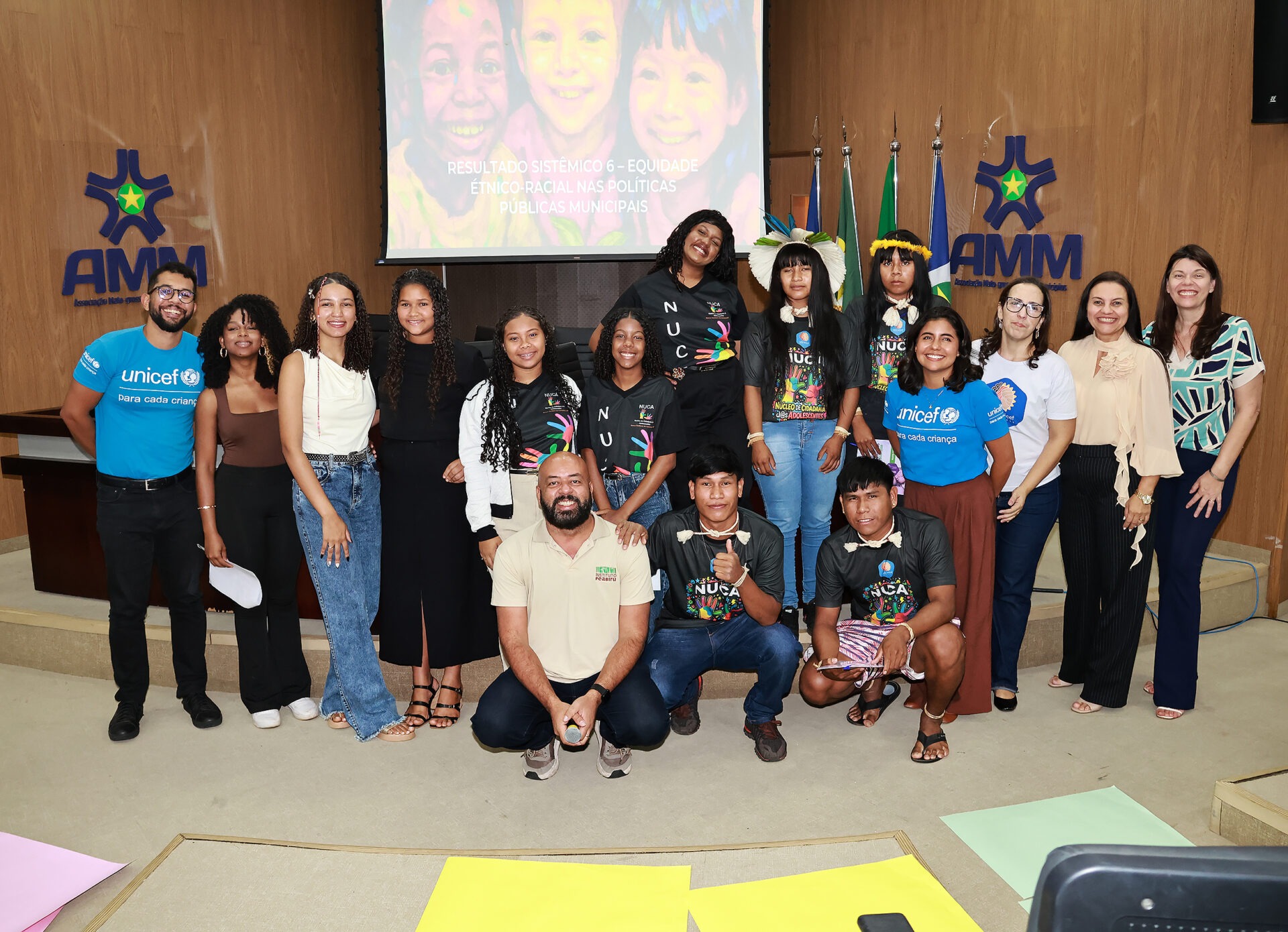
Practical workshops covering industrial pyrolysis techniques, the agronomic use of biochar, application methods for pyroligneous extract, good manufacturing practices, and community-based management of the production unit. Training will be designed to build lasting operational autonomy within producer associations and cooperatives.
Technical Assistance
Continuous support to producers throughout implementation, including assistance in process standardization, technical guidance on the efficient use of bio-inputs, and operational adjustments as needed.
Regulatory Compliance and Management
Support for compliance with relevant federal legislation – including Law No. 15,070/2024, the Brazilian Carbon Market Law (Lei nº 15,042/2024), and the National Climate Policy (Lei 12,187/2009) – as well as Pará state laws including the Plano Estadual Amazônia Agora (Lei 10,750/2024) and the Environmental Responsibility Law (Lei nº 10,989/2025). Development of operational and management protocols to ensure long-term regulatory alignment.
Market and Carbon Structuring
Feasibility studies and specialized consultancy to support entry into biochar and carbon markets, development of commercialization strategies, and structuring of carbon measurement and sales processes. This component will be developed in partnership with reilo (project finance and carbon underwriting) and Amaztrace (supply chain traceability and MRV tools).
Two Prototype Scales
The project is prototyped at two complementary organizational scales. The association-scale prototype tests the model with smaller producer groups, providing them with a new revenue stream, improved soil inputs, and the organizational foundation to eventually transition into cooperatives. The cooperative-scale prototype – based on the agroindustry model of CAMTA – demonstrates how the same infrastructure can operate at larger volume, validating the path to regional scaling.
| Association-Scale | Cooperative-Scale | |
| Example | Casa de Floresta | CAMTA |
| Location | Acará, Pará | Tomé-Açu, Pará |
| Farmers | 40 | 170 |
| Açaí seeds/year | 1,088 ton/yr | 28,300 t* |
| Baseline | Biowaste burned/discarded | Biowaste burned/discarded |
*Based on their açaí pulp production
Phases
Phase 1 – Feasibility studies & Market research – up to 6 months
Phase 2 – Pilot implementation – up to 2 years
Phase 3 – Scale up and full operations
Budget for Phase 1
Personnel & Consultants 60,000
Travel expenses 7,500
Communications 6,500
Administration & taxes 6,000
Total cost 80,000.00
Strategic Differentials
- Replicable social technology purpose-built for the Brazilian Legal Amazon
- Integration of traditional community knowledge with applied science
- Pathway for associations to transition into structured, revenue-generating cooperatives
- Strengthening of sustainable value chains from farm to market
- Full alignment with Brazil’s bioeconomy, climate, and ESG regulatory agendas
- Concrete pathway for regional, national, and international scaling
ODS atendidos pelo projeto

Objetivos do Desenvolvimento Sustentável



 Portuguese
  English